
Early access · Release date: November 13, 2026
UpdatedZombies Aren't Real Military Guide: Units, Zones and Tips
Master Zombies Aren't Real military units, from howitzers and snipers to helicopters and the nuke. Learn what each does and how to save more civilians.
Jump to
How the Military Works in Zombies Aren't Real
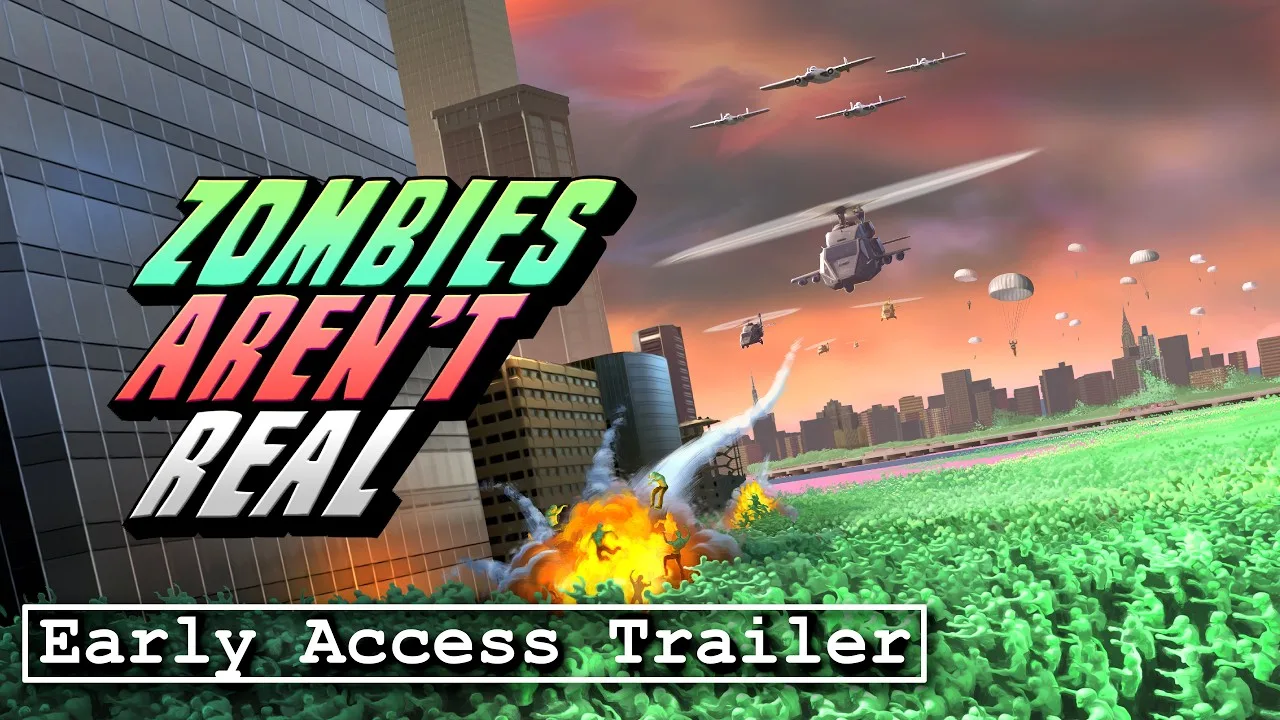
Fast zombies tear through real-world streets, and the forces you place before the outbreak, plus the air support you call in once it starts, decide how many people make it out. Learning the Zombies Aren't Real military roster is the difference between saving a third of a city and watching downtown fall in under a minute. Your score depends on how many civilians survive, so every unit is ultimately a tool for keeping people alive, not just for racking up kills.
Each scenario gives you a bird's-eye view of the city, a limited budget, and time to prepare. Once you hit ready, the outbreak spreads, and you can still adapt on the fly with air support when the perimeter breaks. The game launched into Early Access on Steam on Nov 13, 2026, and the developer is clear that it rewards experimenting with combinations of units, buildings and upgrades. Restarting a lost scenario to try a new plan is part of the loop. You can pick it up on the Zombies Aren't Real Steam page.
Ground Defenses: Garrisons, Turrets, Snipers and Mortars
Your static defenses do the steady work of holding a safe zone. Here's how the core pieces behave:
| Unit | Role | What to know |
|---|---|---|
| Garrison | Cheap corner and perimeter coverage | Stack several around a zone so civilians have defended pockets if zombies get inside |
| Turret | Strong point defense | Does not have unlimited ammo; the upgrade triples its ammunition |
| Sniper | Long-range gap coverage | Use it to cover approaches your walls and turrets leave open; upgradable |
| Mortar | Area damage | Gets unlimited reloads when placed inside a safe zone |
| Fire mortar | Area denial with burning damage | Fire spreads, including across grass and onto your own positions |
Keep your weapons inside the safe zone. Mortars placed outside the walls lose the unlimited reload and run dry. Use the V key to spot tall buildings that make good mortar platforms.
Buy turret ammo upgrades before anything fancy. A turret that runs empty mid-wave is just a wall with a hat. Fill the gaps around big zones with snipers rather than overbuilding turrets. Large safe zones are simply harder to defend than tight ones.
Artillery and Naval Support
Howitzers are the standout value pick. They are cheap (one placement in Detroit ran 880), have enormous range, and get much stronger once upgraded. Park a cluster of upgraded howitzers in one zone and they can rack up kill counts in the tens of thousands across a full map. They also finish off late outbreaks and mutations that wander into range.
Watch where howitzer shells land. Update #1 (v0.43.1) made every mortar type harmless to civilians and safe zone walls, but howitzers aren't on that list, and they can cause collateral damage near your own crowds.
The battleship sits in the water and helps hold riverbank positions, but it won't stop a determined push alone. Treat it as support for a land defense, not a replacement for one.
Civic Buildings: Police, Broadcast, Militia and Command Post
Civic buildings inside a safe zone can be assigned a role, and these settings are where many players win or lose a map.
 Image: Steam / Jogamedev
- Broadcast: pulls civilians toward the zone. Gates are mandatory. Without them, civilians can't get in and ignore the broadcast entirely. Broadcast towers also guide crowds to gates naturally, so you don't need to be precise with gate placement.
- Police (set to pursue): spawns officers who push out from the zone and fight. Since Update #1, officers spread across the zone instead of bunching on one spot. Several police buildings can put hundreds of cops on the street.
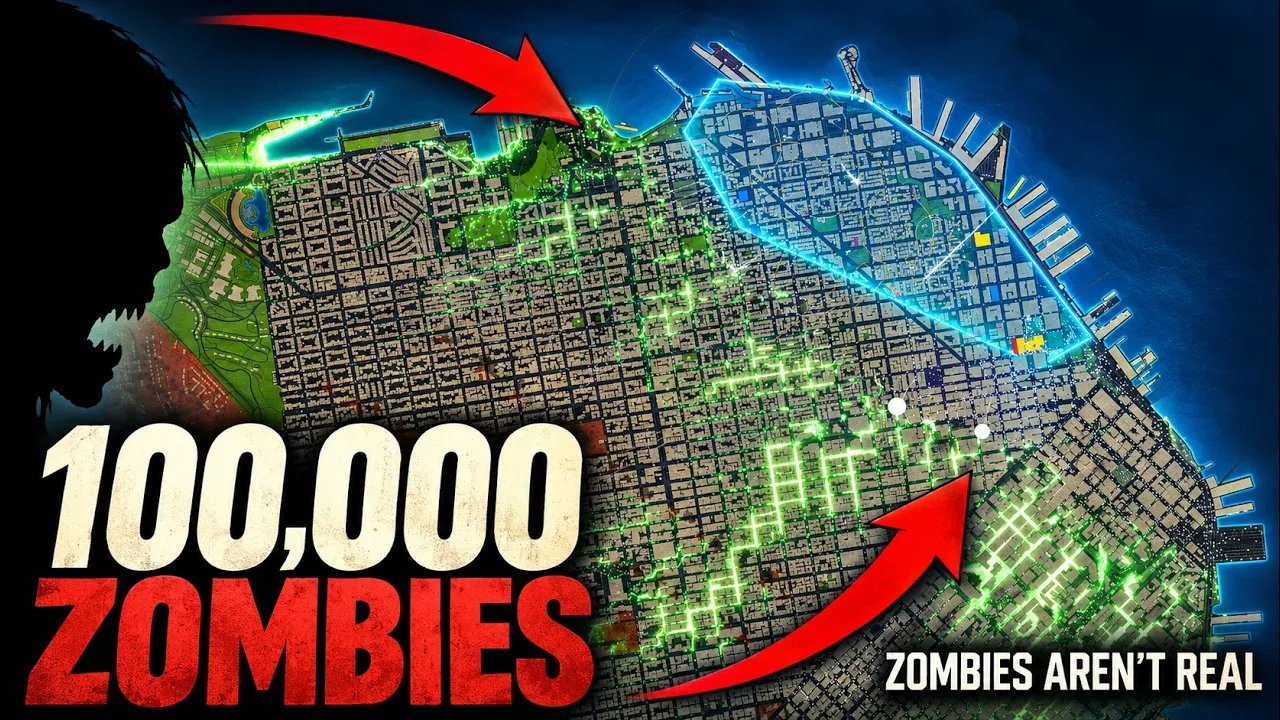
- Militia: when the zone is breached, 35% of the people inside convert into militia. Pair broadcast with militia to build a "bomb" zone. It gathers a big crowd, and if zombies break in, thousands of armed civilians pour out. In one Detroit run, militia alone killed 66,000 zombies.
- Specialty buildings: these stack. Pink ones grant supply, speed, range and command post bonuses, and a command post increases range for nearby units.
Militia bombs are powerful enough that some players consider them broken for chasing top scores. Use them as a backup plan for zones you can't fully defend.
Air Power and Rapid Response
When the perimeter cracks, these are your emergency tools:
- Paratroopers: drop them onto a choke point or around a fresh outbreak to hold ground.
- Gatling gun helicopters: concentrate them on a single breach. One infected civilian is enough to start a chain reaction, so commit early.
- Air strikes and bombers: you aim these yourself. They're your best way to destroy a bridge and cut off a horde. Have a second strike ready in case the first one doesn't bring the bridge down.
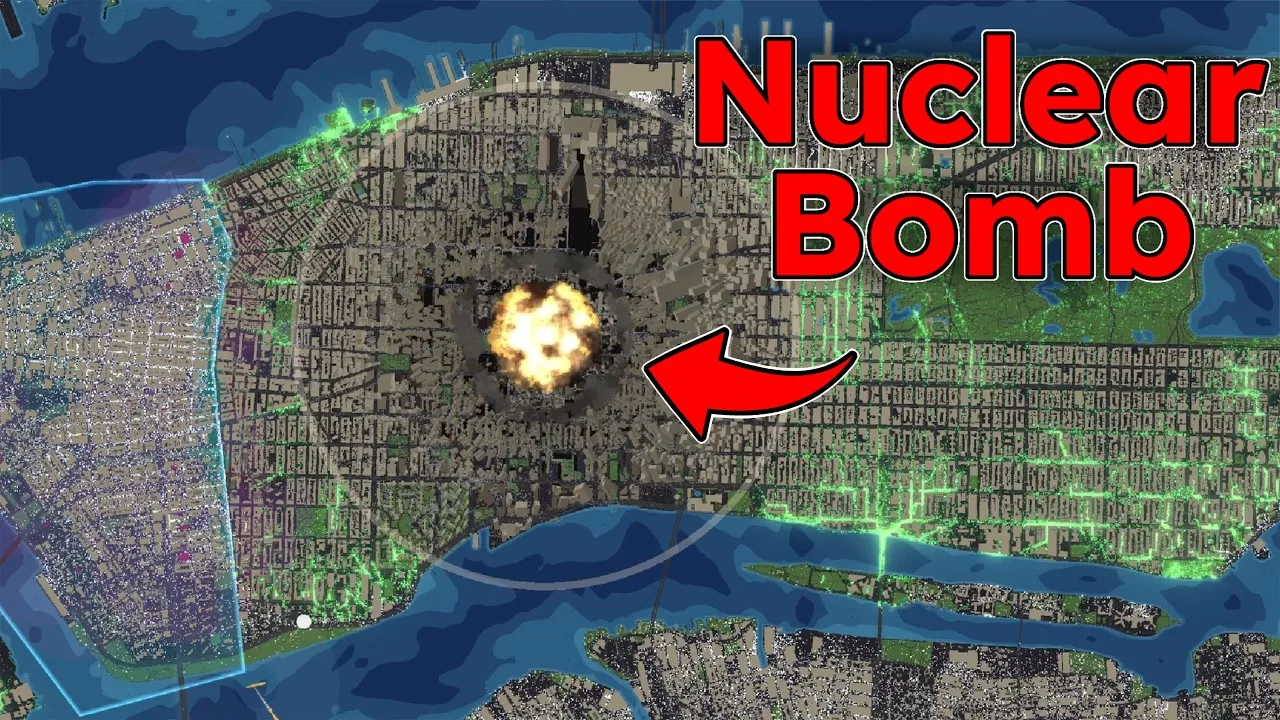
- The nuke: takes 45 seconds to land and wipes out everything in the blast, including your own helicopters and militia. Pull your air units clear before you press the button.
Player-aimed attacks still kill civilians and damage walls. That includes the airstrike, fire bomb, cluster bomb, cruise missile, AC-130, nuke, Controlled Demolition and C4. AI-controlled weapons no longer do since Update #1. The mortars, the battleship, the tank, the helicopter, mines, burning oil and the Exploding Officers perk are all safe around your own people. Aim carefully. The achievement list includes No Friendly Fire alongside Choke Point, Where's the Air Support!? and GET TO THE CHOPPA, among the game's 14 total.
Blowing bridges no longer stalls a win, either. Since Update #1, zombies stranded where they can't reach your safe zones stop resetting the softlock timer, and the battle ends in victory after 60 seconds. Toppled buildings can also damage bridges they fall on, and anyone on a collapsing bridge drowns.
Evac Tools: Medivac, Security Bus, Corridors and Holds
Moving civilians is half the battle, and Update #1 reworked most of these tools:
- Medivac: now fully automatic. It lifts off when full or when nobody has boarded for a few seconds. It drops riders in the nearest safe zone, then flies to the next large group outside your zones. The Leave Now button is gone.
- Security Bus: arrives sooner, drives faster, and picks people up from farther away. Nearby civilians walk toward it, and panicked ones run for it.
- Evac corridors: lead civilians along streets to the corridor's end and through a gate if one is there. Pricing is now a $30 start fee plus the area covered. A 300 m corridor dropped from $120 to about $60, and a 1 km one from $400 to about $135. Just make sure the corridor touches the broadcast zone.
- Evac holds: tell civilians to gather in a single circle you can wall in. They cost more after the update, and your wall supply is limited.
Corridors are much cheaper now, so lean on them before paying for extra safe zones. You can run up to eight zones per map. The Call to Arms skill also dropped to 1 skill point per level, down from 2.
Bridges can still trip up civilian pathing. Some bridges don't generate as straight paths, and suspension bridge pylons can count as buildings that block the way. If crowds stall at a river crossing, move the gate to the land side of the zone.
Continue with
 Zombies Aren't Real Nukes: When and Where to Drop ThemZombies Aren't Real nukes wipe out huge hordes but kill civilians too. Learn smart timing, friendly fire risks, and what the toy nuke DLC actually does.
More in Units
Zombies Aren't Real Helicopters: How to Use Gatling Helis
Zombies Aren't Real helicopters explained: ammo runs, timing, loadout picks and the v0.43.1 friendly-fire change. Learn when to call in the gatling helis.
Zombies Aren't Real Units Guide: Every Defense Explained
Master Zombies Aren't Real units: garrisons, mortars, snipers, turrets, howitzers and battleships, plus ammo rules, Update #1 changes and placement tips.
Continue exploring
Zombies Aren't Real Chokepoints: Bridges, Z Walls & Turrets
Master Zombies Aren't Real chokepoints with Z walls, turrets, island safe zones and bridge demolition. Learn how to stall the horde and starve it out.
Zombies Aren't Real Coop Guide: Safe Zones, Gates and Tips
Zombies Aren't Real coop pairs you with one friend to defend real cities. See how online co-op works, what Update #1 fixed, and how to build safe zones.
Join the community
Official channels for news, updates and player help: